
Financial Security
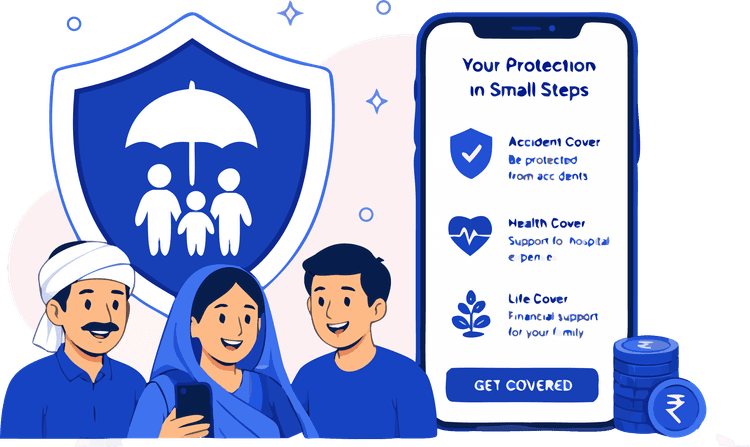
A Micro Insurance plan helps you prepare for unforeseen financial losses instead of facing unexpected expenses alone.
2M+
Policy Sold
20K+
Claim Settled
200K
Active Policy
Micro Insurance is a specialized insurance solution designed to provide affordable financial protection to low-income individuals, families, small entrepreneurs, farmers, and underserved communities against unexpected risks. It offers essential insurance coverage at affordable premiums, helping policyholders manage financial losses arising from accidents, illness, death, property damage, or other covered events.
In Nepal, many individuals and small businesses face financial challenges when unexpected events occur. Micro Insurance provides accessible insurance protection that helps reduce financial hardship and promotes greater financial security for vulnerable communities.
Micro Insurance is generally designed to provide simple, affordable, and easy-to-understand insurance coverage. Depending on the selected policy, coverage may include life, health, accident, livestock, crop, property, or other approved micro insurance benefits.
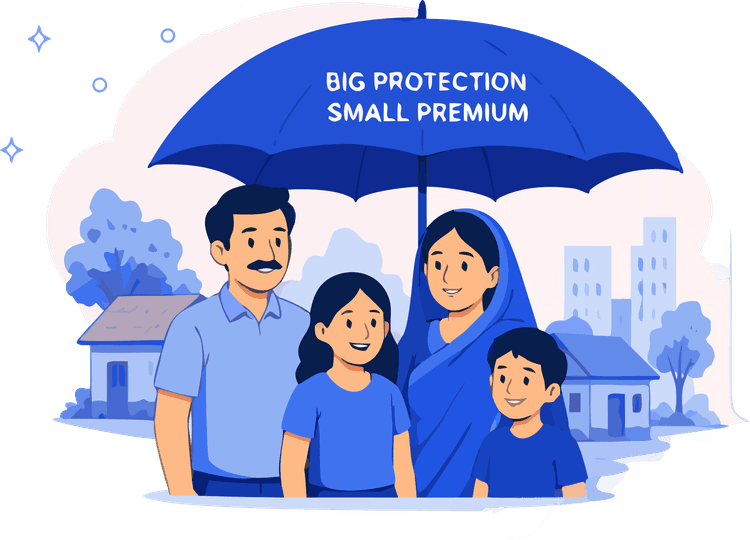
Essential protections such as Micro Insurance are often overlooked because many individuals believe insurance is expensive or unnecessary. However, even a single unexpected event can create significant financial hardship for families and small businesses.
For instance, without Micro Insurance, policyholders may have to bear medical expenses, property losses, or income disruptions entirely from their own savings. Such unexpected financial burdens can affect household stability and future financial well-being.
Therefore, while the primary purpose of Micro Insurance is to provide affordable financial protection, there are several important reasons why such insurance is valuable for individuals and communities in Nepal.
Choose suitable Micro Insurance coverage options based on your protection needs, eligibility, and financial requirements.
Micro Insurance plans in Nepal are designed to provide affordable and accessible financial protection. The main features include:
Together, these features make Micro Insurance an important financial safety net, helping individuals and families manage unexpected financial risks.
Insurance helps reduce unexpected financial strain and keeps renewal and claims journeys clearer when losses occur.
A Micro Insurance plan helps you prepare for unforeseen financial losses instead of facing unexpected expenses alone.
United Ajod combines non-life insurance experience with branch-led support so you can confidently manage your insurance requirements.
Choose coverage that suits your family's financial situation and protection requirements.
Products are offered within Nepal’s non-life insurance framework, with policy documents clearly outlining coverage terms and conditions.
Use downloads for forms, or reach out via contact channels for checklists and timelines.
We value every customer with a VIP-level experience, delivering prompt support, transparent guidance, and affordable insurance solutions tailored to the financial protection needs of individuals and communities across Nepal.

We are committed to providing prompt assistance, transparent communication, and dedicated support throughout your insurance journey.
Our claims process is streamlined for speed and simplicity, with a significant number of claims settled promptly. A digital-first approach minimizes paperwork and ensures faster turnaround times.
Whether it is a weekday, weekend, or public holiday, our support team remains available 24/7 to assist you with queries, claims, or policy updates.
Choose suitable Micro Insurance plans based on your financial needs, eligibility, and preferred level of protection.
With a strong branch network and accessible support channels, United Ajod helps customers receive insurance services and assistance whenever required.
Our customer support team assists with policy servicing, renewals, endorsements, and claim-related queries throughout the policy period.

Visit one of our nearest branch or contact our customer support team.
Select a suitable Micro Insurance plan based on your eligibility, protection needs, and financial requirements.
Provide your personal details along with the proposal form details.
Complete payment and any required KYC verification as guided by our team.
You'll receive policy documents hard copy along with SMS confirmation. Policy Pdf file will also be sent to your email address.
You can reduce the chances of Micro Insurance claim rejection by paying attention to the following important factors.
Many claims are rejected simply because the policyholder is unaware of what their insurance covers. Always read your policy document to understand the inclusions, exclusions, and conditions.
Always provide complete and accurate personal, financial, and other required information when purchasing your policy.
Maintain valid identification documents, policy records, receipts, and supporting documents required during claim submission.
Ensure your claim satisfies all policy conditions, waiting periods, and documentation requirements.
Inform United Ajod as soon as reasonably possible after a covered event occurs to begin the claim process.
Renew your policy before its expiry date to ensure continuous coverage and uninterrupted financial protection.
You can access United Ajod through these options:
Download our mobile app from the App Store or Google Play.
Visit our website at https://uail.com.np for detailed information.
Micro Insurance is generally designed for eligible individuals, families, farmers, small entrepreneurs, and other groups as defined under the selected insurance product and applicable guidelines.
The maximum coverage amount depends on the selected Micro Insurance product, coverage option, and policy terms. Please contact United Ajod for more information.
Coverage depends on the selected Micro Insurance plan and may include eligible life, health, accident, livestock, crop, property, or other approved benefits, subject to policy terms.
Common exclusions may include normal wear and tear, poor maintenance, intentional damage, unauthorized repairs or modifications, operational negligence, and other exclusions specified in the policy document.